The healthy office snacks that actually get eaten are the ones people would pick anyway: nuts, jerky, Greek yogurt, cheese sticks, popcorn, whole fruit and sparkling water. The goal is not to ban chips. It is to make the better option the most visible, the most convenient and sometimes the cheapest one on the shelf.
Below are 30 healthy snack ideas grouped by type, followed by the placement, labeling and pricing nudges that make healthy choices the easy ones.
What makes an office snack healthy?
Use the Nutrition Facts label as your filter. According to the FDA's guide to the Nutrition Facts label, 5% Daily Value or less of a nutrient per serving is considered low and 20% or more is high. For snacks, look for low numbers on sodium, saturated fat and added sugars, and higher numbers on fiber and protein.
Added sugar is where most breakroom snacks go wrong. The American Heart Association recommends no more than 36 grams of added sugar a day for men and 25 grams for women, while a single 12-ounce can of soda contains 42 grams. A simple shelf rule: a healthy snack has protein or fiber, a short ingredient list, and comes in a single-serve portion.
| Check on the label | What to look for |
|---|---|
| Added sugars | Low, ideally 5% DV or less per serving |
| Sodium | Low to moderate, especially on salty snacks like jerky and pretzels |
| Saturated fat | Low |
| Fiber | Higher is better; 20% DV or more counts as high |
| Protein | Enough to make the snack filling, not just a sugar hit |
Protein snacks that keep people full
Protein is the category that stops the second trip to the snack shelf an hour later, and it matters even more for people on their feet all shift.
- Unsalted or lightly salted nuts: almonds, cashews, pistachios and peanuts in 1-ounce packs. Harvard's Nutrition Source notes that eating a 1-ounce handful five or more times a week was linked to a 14% lower risk of cardiovascular disease in a study of about 210,000 people.
- Trail mix heavy on nuts and seeds, light on candy pieces.
- Beef or turkey jerky and meat sticks, ideally the lower-sodium versions.
- String cheese and cheese snack packs.
- Greek yogurt cups, plain or lightly sweetened.
- Hard-boiled eggs in grab-and-go two-packs.
- Protein bars with more grams of protein than sugar (check the label).
Crunchy healthy office snacks that beat the chip bag
Crunch is the craving chips satisfy. These hit the same spot with more fiber, less fat or both.
- Popcorn, air-popped or lightly salted rather than butter-drenched.
- Whole-grain crackers, which pair well with cheese or hummus.
- Roasted chickpeas or dry-roasted edamame.
- Roasted seaweed snacks.
- Baked chips or pretzels as lighter versions of the classics (pretzels can run high in sodium).
- Rice cakes or thins, plain or with a peanut butter cup on the side.
Sweet snacks without the sugar crash
Every breakroom needs something sweet for the 3 p.m. slump. Keep portions small and lean on fruit, nuts and whole grains.
- Dark chocolate squares or minis.
- Dried fruit with no added sugar, such as raisins, apricots or mango.
- Fruit and nut bars with short ingredient lists.
- Unsweetened applesauce or fruit pouches.
- Instant oatmeal cups in lower-sugar varieties, for a warm option.
- Frozen fruit bars, if you have freezer space.
Healthier drinks for the cooler
Drinks are where small swaps add up fastest, since one regular soda can use up more than a full day's added sugar limit. Stock the front of the cooler with these:
- Bottled and sparkling water, including unsweetened flavored sparkling water.
- Unsweetened iced tea and green tea.
- Cold brew and black coffee in cans or bottles.
- Low-fat milk and ready-to-drink protein shakes.
- Coconut water and lower-sugar electrolyte drinks for warehouses and plants, where metro Atlanta summers turn hydration into a safety issue.
Read the label on sports drinks before you stock a whole row of them. Many carry a lot of added sugar, so save the full-sugar versions for heavy work in the heat and put water and zero-sugar options next to them.
Fresh snacks: the hardest category and the most valuable
Fresh food is where most breakrooms fall short, and most people do too. The CDC reports that only 12.2% of adults ate enough fruit and 9.3% ate enough vegetables. Putting produce where people already grab snacks is one of the easiest ways to help close that gap.
- Whole fruit: apples, bananas, clementines and pears.
- Cut fruit cups and grapes.
- Veggie cups with hummus or ranch.
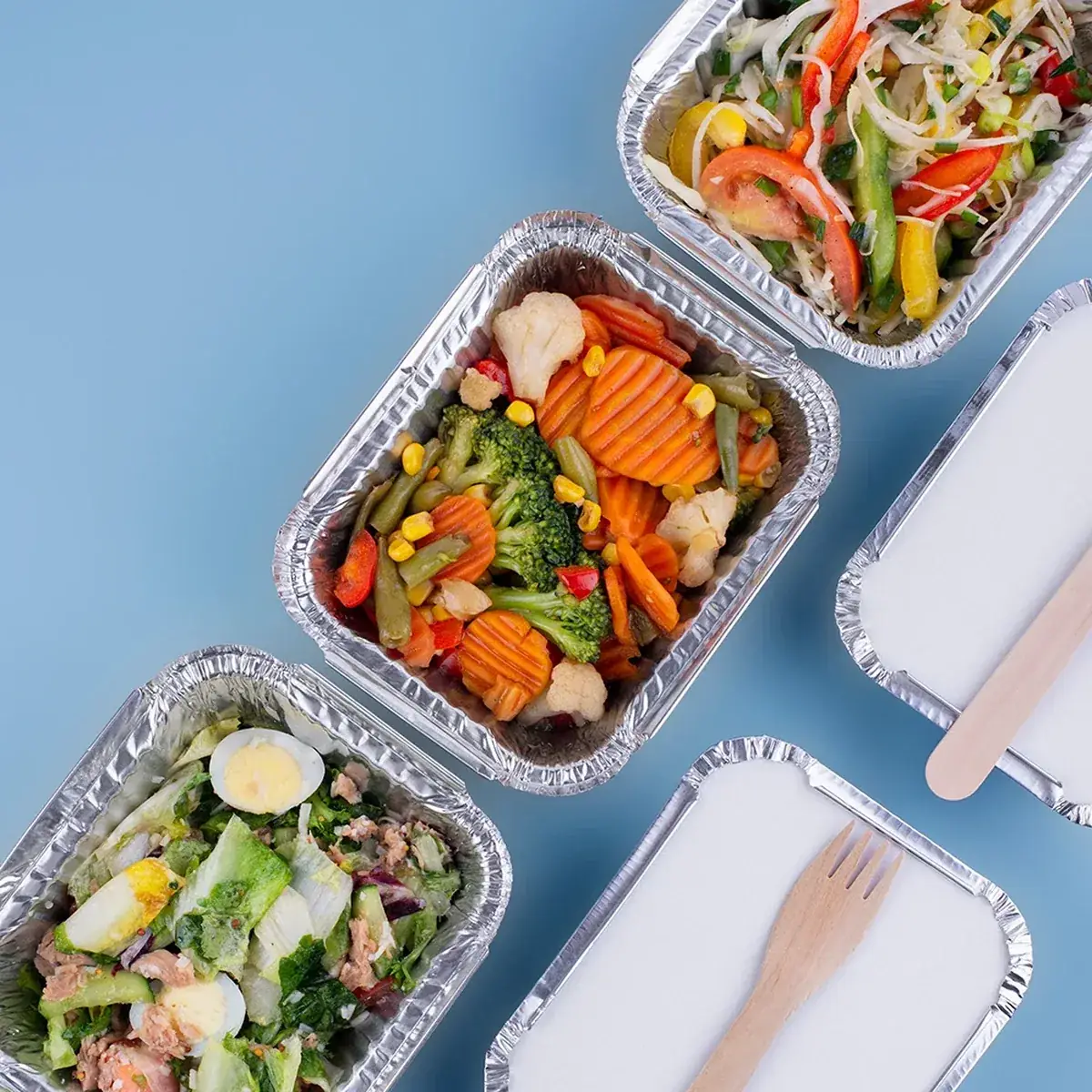
- Salads and grain bowls with a protein.
- Wraps and sandwiches on whole-grain bread.
- Overnight oats and yogurt parfaits.
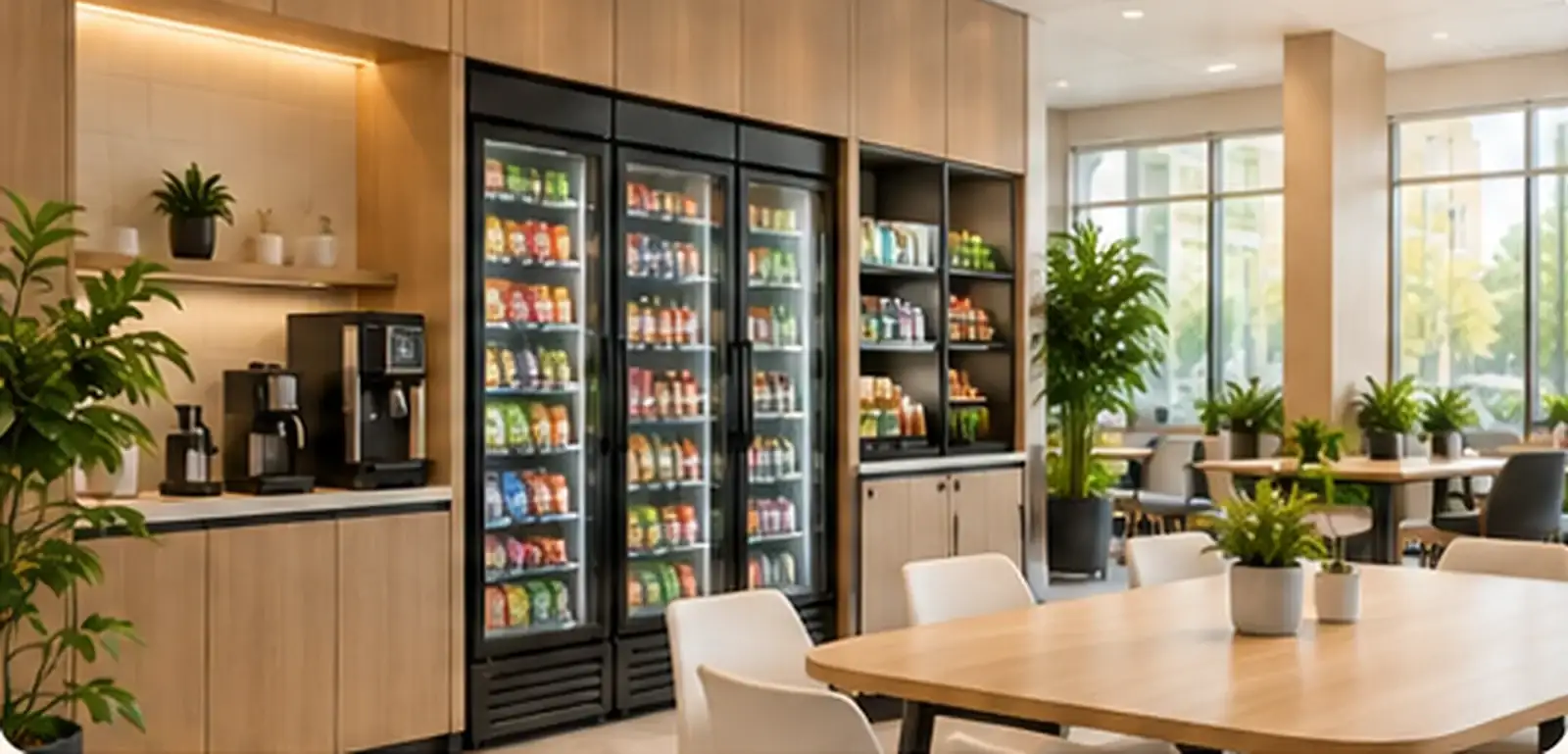
Fresh items need refrigeration and quick rotation, so they work especially well in a micro market or an AI smart cooler, where employees can see exactly what they are getting.
How to make the healthy choice the easy choice
People mostly grab what is in front of them. Researchers at Massachusetts General Hospital tested this in the hospital's main cafeteria by adding green, yellow and red labels and moving healthier items to eye level. Two years later, purchases of red items were down 20%, red beverages (mostly sugary drinks) were down 39%, and green items were up 12%, while overall sales held steady, as reported by the Harvard Gazette.
The CDC calls this behavioral design, and its food service guidelines note that more than 9 million adults eat or drink from a vending machine on a given day. Here is how to apply the same thinking in your breakroom:
- Placement: put water, fruit and protein at eye level and closest to the checkout. Move candy and full-sugar soda lower, not out.
- Labeling: add simple green, yellow and red shelf tags, or a single "better choice" tag, so nobody has to read every label.
- Pricing: use subsidized vending to cover part or all of the price on the healthy shelf, so the better choice is also the cheaper one.
- Portions: keep the treats, but in smaller sizes.
- Requests: ask employees which healthy items they would actually buy, then stock those first.
- Rotation: swap in a new healthy item every month or so, so the better-for-you shelf never feels stale.
If you run a free pantry instead of, or alongside, a paid market, our office pantry checklist covers what to stock and how much to order for your headcount.
Stocking healthy office snacks with VendGO
Shift work changes the snack list. Second and third shifts at manufacturing facilities need real food when the cafeteria is closed, and our guide to night shift food ideas covers that in detail.
Physical jobs change the math too. A picker walking the aisles all shift in August needs more fuel and fluid than someone at a desk, so lean harder on protein snacks, nuts, fruit, water and electrolyte drinks, and keep the healthy options affordable.
VendGO's healthy vending service, micro markets and smart coolers can be stocked around the healthy items your team prefers, with cashless payment by card or mobile wallet. Employees scan a QR code to request items, and requests are filled within 3 days. Equipment, installation and service cost the business $0, agreements are month-to-month, and you can start with a two-month trial.
We are locally owned in Alpharetta and serve businesses across metro Atlanta, with two dedicated account managers on every account. Request a free consultation or call 678-848-5199.
Frequently asked questions
What are the healthiest snacks to keep at the office?
Nuts, jerky, Greek yogurt, cheese sticks, whole fruit, veggie cups and plain popcorn are reliable picks. Look for snacks with protein or fiber, a short ingredient list and little added sugar.
How do you get employees to choose healthier snacks?
Make healthy items the most visible, the easiest to grab and, where possible, the cheapest. A Massachusetts General Hospital cafeteria study found that color-coded labels plus eye-level placement cut purchases of the least healthy items by 20% without hurting overall sales.
Should you remove junk food from the breakroom entirely?
Usually not. Removing favorites tends to send people to the gas station down the road, while keeping treats in smaller portions and lower on the shelf leaves room for choice. A broader health and wellness program works better than a ban.
How much added sugar is too much in a snack?
The American Heart Association recommends no more than 25 grams of added sugar a day for women and 36 grams for men. A snack that uses up half of that in one serving is better treated as an occasional treat.