Renters want the basics done right first: in-unit laundry, air conditioning, fast internet, a phone signal that works, and a place to park. After that, the apartment amenities renters want are the ones that make everyday life easier or help them feel at home, not the ones that photograph best for the brochure.
In fact, listing data shows gyms and pools drawing less interest than you might expect, while tenant happy hours and coworking space draw more. Below is what the research says, and where a 24/7 grab-and-go market or smart cooler fits in a clubhouse or lobby.
What apartment amenities do renters want most?
The 2024 Renter Preferences Survey from the National Multifamily Housing Council and Grace Hill gathered input from 172,703 renters in 4,220 communities, according to the NMHC and Grace Hill release. As Multifamily Dive reported, the essentials dominate:
- An in-unit washer and dryer and air conditioning led the features renters cited as most important, at 93% each.
- Soundproof walls followed at 88%.
- Reliable cell phone reception was the community amenity most often cited as very important, at 86%, and 39% said they would not rent without it.
High-speed internet belongs on that list too. The survey release reported that 86% of respondents called it very important or absolutely essential. If your Wi-Fi and cell coverage are weak, no clubhouse upgrade will make up for it.
Convenience beats spectacle
Zillow analyzed nearly 5.6 million rental listings to see which amenities drove more saves and shares than similar units. In its analysis of rental amenities, listings that mentioned off-street parking got 85% more saves per day, and in-unit laundry brought 76% more. Communities offering happy hours for tenants got 50% more daily saves, and coworking spaces got 16% more.
The other side of the ledger is just as telling. Listings advertising a fitness center got 26% fewer saves, pools were tied to 10% fewer, and business centers to 24% fewer. That is no reason to fill in the pool. One reasonable read is that renters now expect those amenities as standard, and they respond to features that solve daily problems or give them a reason to meet neighbors.
More residents are home during the day, and at odd hours
Remote work changed how people use their buildings. In the NMHC and Grace Hill survey, 52% of respondents still worked remotely, down from 62% in the 2022 report, and interest in shared workspaces grew from 35% to 48%. Federal data points the same way. The Census Bureau reported that 13.8% of U.S. workers usually worked from home in 2023, more than 22 million people, up from 5.7% in 2019.
Plenty of residents also keep hours that do not line up with a grocery run. In metro Atlanta, think hospital staff, airport and logistics workers, and anyone who gets home after a long crawl on I-285. Someone pulling in at 11 p.m. does not want to get back in the car for a drink and a quick dinner.
Community and retention: why everyday amenities pay off
The same NMHC and Grace Hill release found that 85% of respondents enjoy living in their community, 86% feel included and accepted, and 75% feel their wellbeing is important to community management. Those numbers are worth protecting, because renters have options.
The Census Bureau's second quarter 2026 vacancy report put the national rental vacancy rate at 7.3%, and the South had the highest regional rate at 9.5%. When there are open units down the street, the amenities residents use every week are part of the case for renewing instead of moving.
Why 24/7 grab-and-go markets work in clubhouses and lobbies
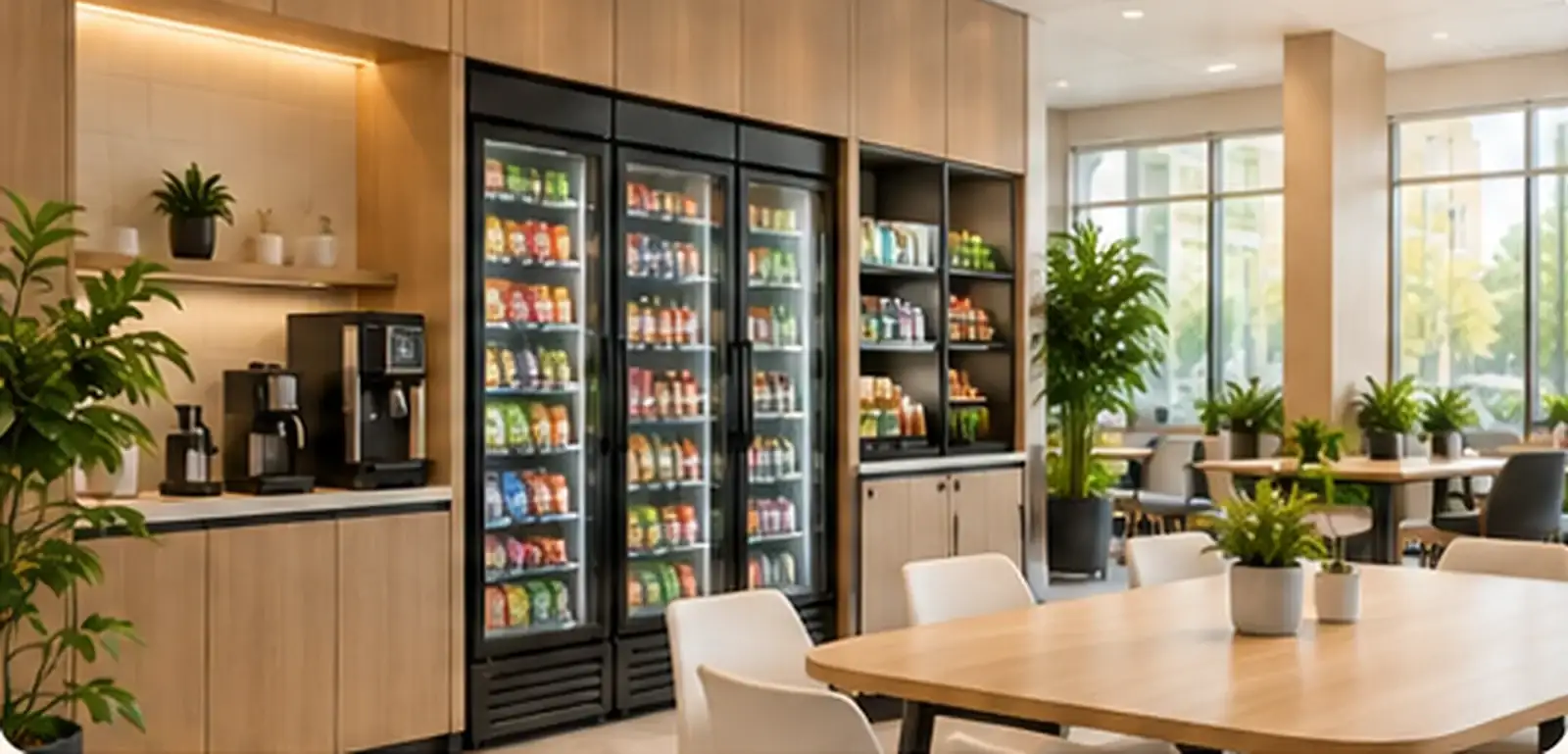
An amenity market sits right where those trends meet. Residents use it daily, it is open whenever they are, and it gives the clubhouse a reason to be busy outside leasing office hours. A few ways properties put one to work:
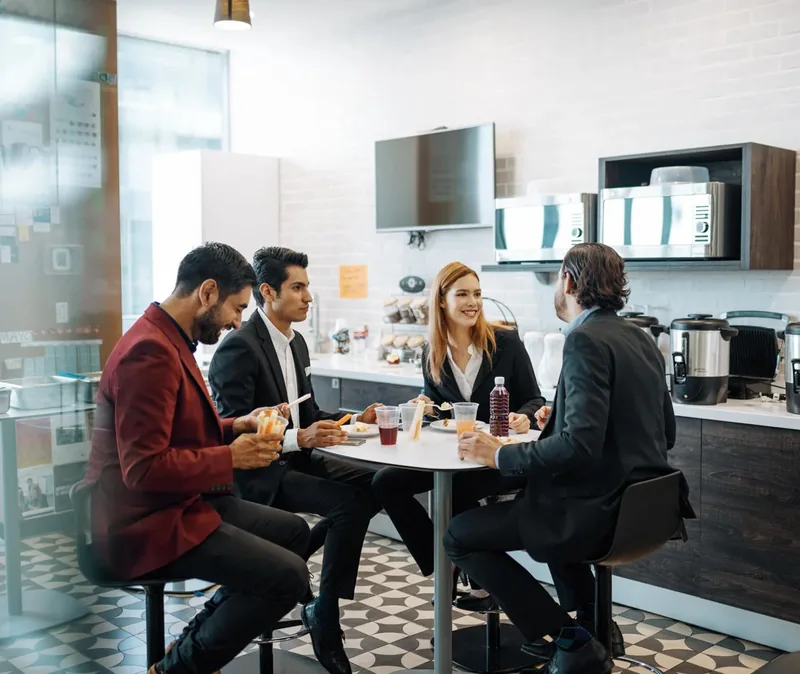
- Clubhouse or coworking lounge. Remote workers grab lunch or an afternoon snack without leaving the building. Pair it with coffee service and the lounge starts working like a real office.
- Lobby or package room. Residents picking up deliveries can grab a cold drink or breakfast on the way back upstairs.
- Pool deck and fitness area. Water, sports drinks, and snacks right where people want them on a July afternoon.
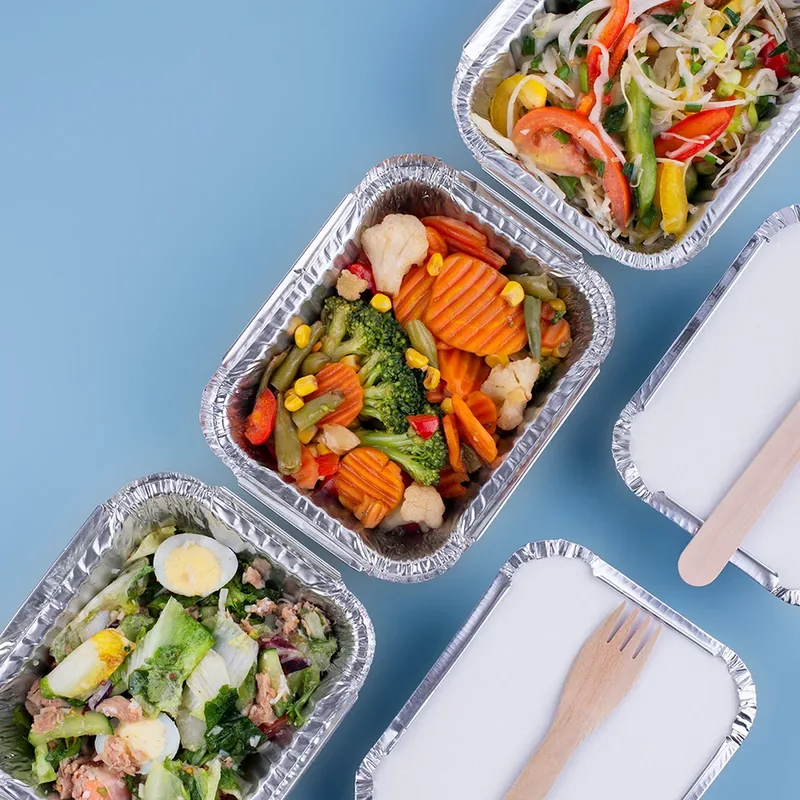
- Late arrivals. Fresh, chef-made meals give shift workers something better than a drive-thru at midnight.
Because checkout is self-serve and cashless, the market does not add staff hours, and residents pay with a card or mobile wallet.
Placement makes or breaks it. Put the market on the path residents already walk, between the parking garage, the mailroom, and the elevators, rather than in a back corner of the clubhouse. Good lighting and clear signage help, and so does a mention in your move-in packet and resident app, so new residents know it is there from their first night.
It helps on tours, too. A stocked market is an amenity prospects can see and use on the spot, and it signals that the property thinks about daily life, not just the pool. A leasing agent who can say "this is open at 2 a.m." is selling convenience that a listing photo cannot show.
Micro market or smart cooler: which fits your property?
Both formats run around the clock without staff. The right choice depends on the space and who can get into it, not on the size of the community.
| Format | How it works | Best spaces |
|---|---|---|
| Micro market | Open shelves and coolers with a self-checkout kiosk | Fob-access clubhouses, resident lounges, coworking rooms |
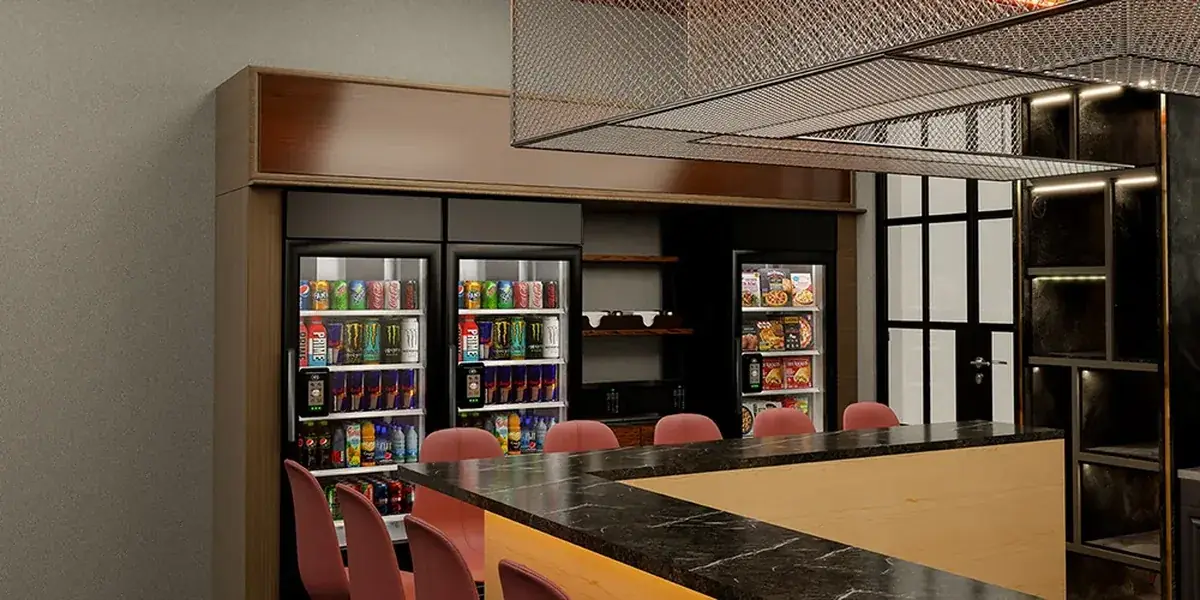
| AI smart cooler | Locked cooler; tap a card to unlock, and cameras and sensors charge automatically | Lobbies, pool areas, and spaces with guest or public traffic |
A space open to the public may suit a locked smart cooler better than an open store. A micro market offers the widest selection in a resident-only clubhouse, and layout and access control matter, so read our tips on micro market theft prevention. For a lobby with steady guest traffic, an AI smart cooler keeps product locked until someone taps a card.
What to ask before adding an amenity market
- What does it cost the property? Ask about equipment, installation, and service fees up front.
- How long is the agreement? Avoid a multi-year lock-in on a brand-new amenity.
- How fast is service? A dead cooler during an Atlanta heat wave needs attention the same day.
- How do residents request products? The mix should follow what your residents actually buy.
- What does the space need? Confirm power, a reliable connection for the payment system, and access control.
- Who handles resident questions? Residents should have a clear way to report a problem or get a refund without going through the leasing office.
Adding a resident market with VendGO
VendGO is a locally owned breakroom company based in Alpharetta, and we set up markets and smart coolers for apartment communities across metro Atlanta, from Sandy Springs to Marietta. Equipment, installation, and service cost the property $0, agreements are month to month, and you can start with a two-month trial. We respond within two hours when something needs attention, and residents scan a QR code to request products, with requests filled within 3 days.
Ready to give residents a reason to love the clubhouse? We will help you choose the setup that fits your property. Request a free consultation or call 678-848-5199.
Frequently asked questions
What amenities do renters value most?
In the 2024 NMHC and Grace Hill survey, an in-unit washer and dryer and air conditioning led the features renters cited as most important, at 93% each. Reliable cell reception was the community amenity most often rated very important.
Do renters still care about gyms and pools?
Gyms and pools still have a place, but Zillow found that listings advertising a fitness center or pool drew fewer daily saves than similar units. Parking, in-unit laundry, happy hours, and coworking space drew more interest.
Are smart coolers secure in an apartment lobby?
A smart cooler stays locked until a resident taps a card, and cameras and sensors charge for what is taken. That makes it a good fit for lobbies and other spaces with guest or public traffic.
Does a resident market cost the property anything?
With VendGO, equipment, installation, and service are $0 to the property, and agreements are month to month. Residents pay for what they buy with a card or mobile wallet.